
David Protein Says Its Bars Have Zero Sugar. A New Lawsuit Claims 1 Ingredient Makes That Misleading

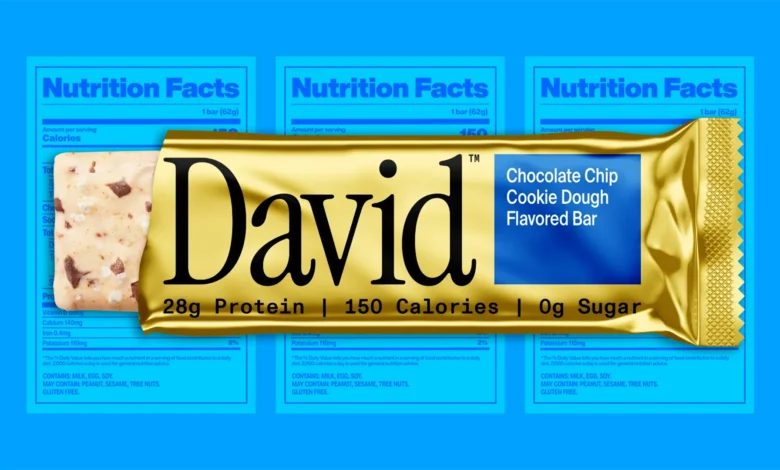
A California class-action lawsuit argues that the protein bar’s zero-sugar marketing is deceptive, building on a recent appeals ruling against Chobani.

David Gold Protein Bar’s composition is being challenged in court, again. This time, a class-action lawsuit is targeting its zero-sugar claims.
The suit, filed Monday in California court, claims David Protein’s “packaging, labeling, and marketing” of its flagship protein bars is deceptive.
The allegations specifically focus on the inclusion
The allegations specifically focus on the inclusion of the low-calorie sugar-substitute allulose, which is considered to be a “naturally occurring sugar found at low levels in figs, raisins, wheat, maple syrup and molasses,” according to the Cleveland Clinic.
The sweetener is typically found in recipes for those who follow low- or-no sugar diets. Allulose is generally considered to taste more akin to actual sugar compared to other sweeteners.
Refreshed leadership advice from CEO Stephanie Mehta
An Inc.com Featured Presentation
However, as listed in the court filings, allulose, chemically-speaking is a monosaccharide, and because of such it suggests David cannot claim its product to be “zero grams of sugar.”
The filing cites David’s marketing, packaging, and labeling as touting “a three-number promise, printed on the front of every wrapper and every carton,” which references the protein bars as containing 28 grams of protein, 150 calories, and zero grams of sugar.
Source: www.inc.com